

Tamil Nadu Government’s ‘Vizhithirai Kappom’ (Protect the Retina) Scheme: Early Detection and Treatment of Retinal Damage
A pioneering initiative—the first of its kind in India—designed to detect retinal damage at an early stage and prevent vision loss.
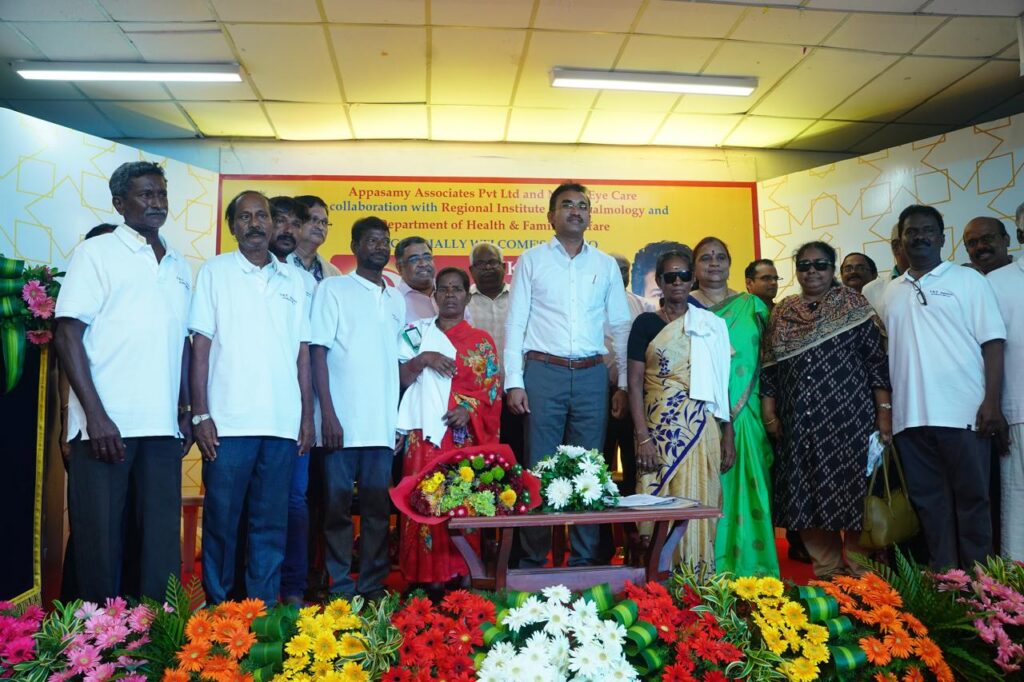
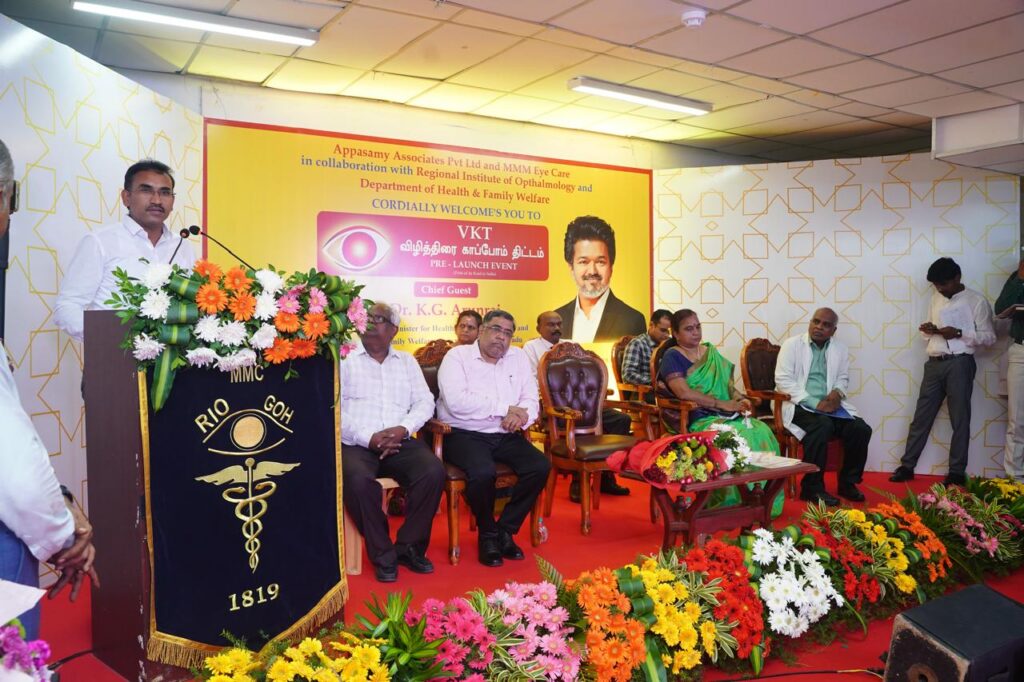
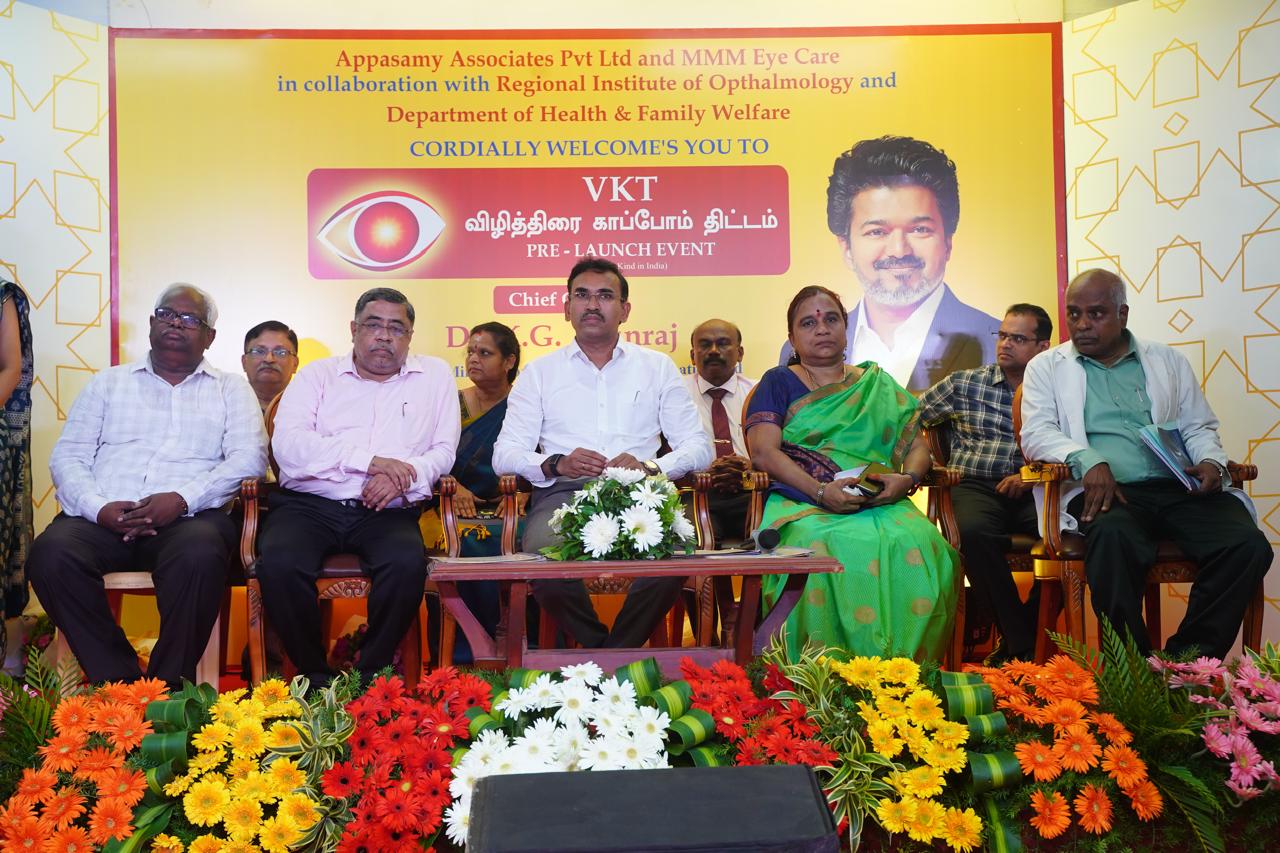
Under the guidance of the Honorable Chief Minister of Tamil Nadu, the pilot event for the ‘Vizhithirai Kappom’ (VKT) scheme—to be implemented by the Department of Health and Family Welfare—was held today at the Regional Institute of Ophthalmology and Government Ophthalmic Hospital in Egmore, Chennai.
The event was organized by MMM Eye Hospitals with the support of Appasamy Associates, in coordination with relevant government officials and heads of ophthalmology departments.
Dr. K.G. Arunraj, Honorable Minister for Health, Medical Education, and Family Welfare, Government of Tamil Nadu, participated in the event as the special guest.
Also present at the event were Dr. Daresh Ahmed, IAS, Principal Secretary, Health and Family Welfare Department; Dr. S. Subramani, IAS, Project Director, Tamil Nadu Health Systems Project; Dr. V. Loganayaki, Director of Medical Education and Research; and Dr. K. Santharam, Dean, Madras Medical College and Rajiv Gandhi Government General Hospital; alongside senior ophthalmologists, academicians, and health sector experts.
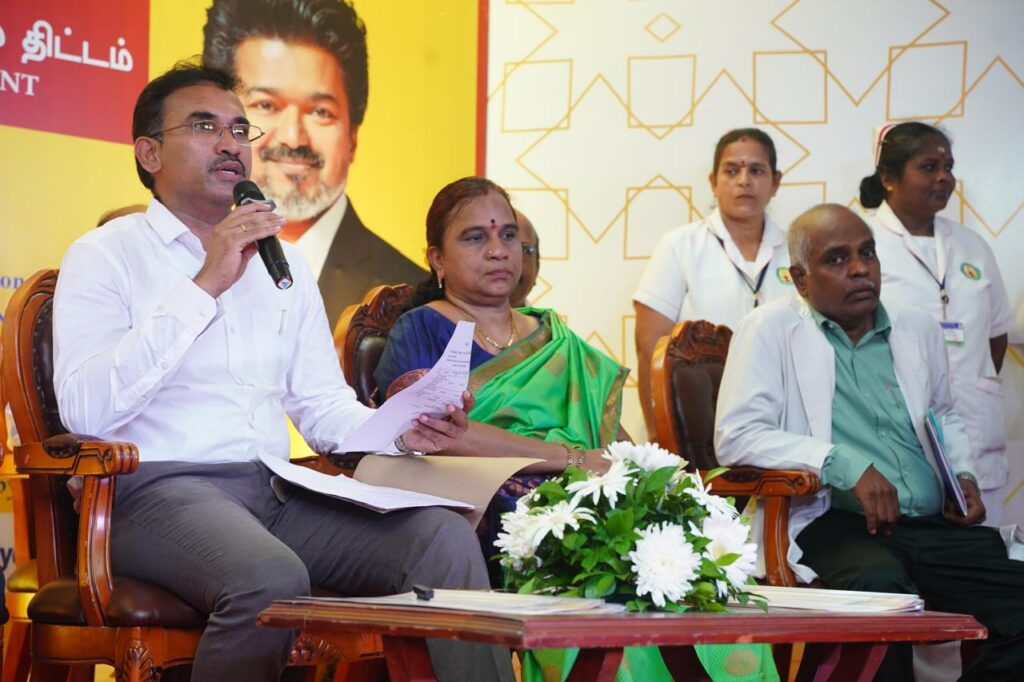
Speaking at the event, the Honorable Minister highlighted the measures being taken by the Tamil Nadu government to strengthen healthcare infrastructure and ensure timely access to advanced medical treatment for the public. He particularly emphasized the importance of early detection and treatment of retinal damage associated with diabetes and hypertension. Diabetes and high blood pressure carry a high risk of retinal damage. In India alone, approximately 101 million people are affected by diabetes, while another 136 million are in a pre-diabetic state. One in every seven people with diabetes develops retinal damage.
The prevalence of diabetes ranges from approximately 19.8% to 22.5% in rural areas and is around 32% in urban areas.
The ‘Vizhithirai Kappom’ (Protect the Retina) scheme offers an opportunity to detect retinal damage at an early stage and provide appropriate treatment, thereby helping to prevent vision loss.
Specialized screening for early detection of retinal damage
Dr. Vinayak Moorthy, Director of the Regional Institute of Ophthalmology, stated:
“Retinal damage associated with diabetes and high blood pressure can worsen in the early stages without showing obvious symptoms. By strengthening screening and referral systems, we can detect retinal changes early and ensure patients receive timely specialized medical care. The ‘Vizhithirai Kappom’ scheme is a significant initiative to deliver community-based retinal screening and treatment.”
Retinal screening across the healthcare spectrum—from Primary Health Centres to Medical College Hospitals
The ‘Vizhithirai Kappom’ scheme is planned for implementation across all levels of healthcare, ranging from Primary Health Centres and block-level hospitals to medical college hospitals.
Under this scheme, advanced technologies—including laser-based systems—will be utilized to screen the public for retinal damage.
In addition to raising public awareness about diabetes-related retinal damage, the scheme will be expanded into a comprehensive operational framework. Infrastructure for retinal screening and the detection of retinal conditions will be upgraded at vision centers across every district.
Retinal screening reports will be reviewed by ophthalmologists at referral centers located within block-level hospitals and district headquarters hospitals. Patients requiring further care will be referred for advanced treatment, and modern therapeutic procedures will be administered as needed.
Dr. Rajshekar, Head of the Retinal Treatment Division at the Regional Institute of Ophthalmology, stated:
“The core strength of the ‘Vizhithirai Kappom’ (Save the Retina) initiative lies in establishing a clear, continuous process—spanning from screening to detect retinal issues to specialized medical assessment and treatment. By strengthening medical facilities and referral centers at various levels, this initiative will help identify patients requiring advanced retinal care at the appropriate stage and facilitate their referral for necessary treatment.”
Advanced Retinal Screening and Treatment
At medical college hospitals and district headquarters hospitals, Optical Coherence Tomography (OCT) and Fundus Fluorescein Angiography (FFA)…